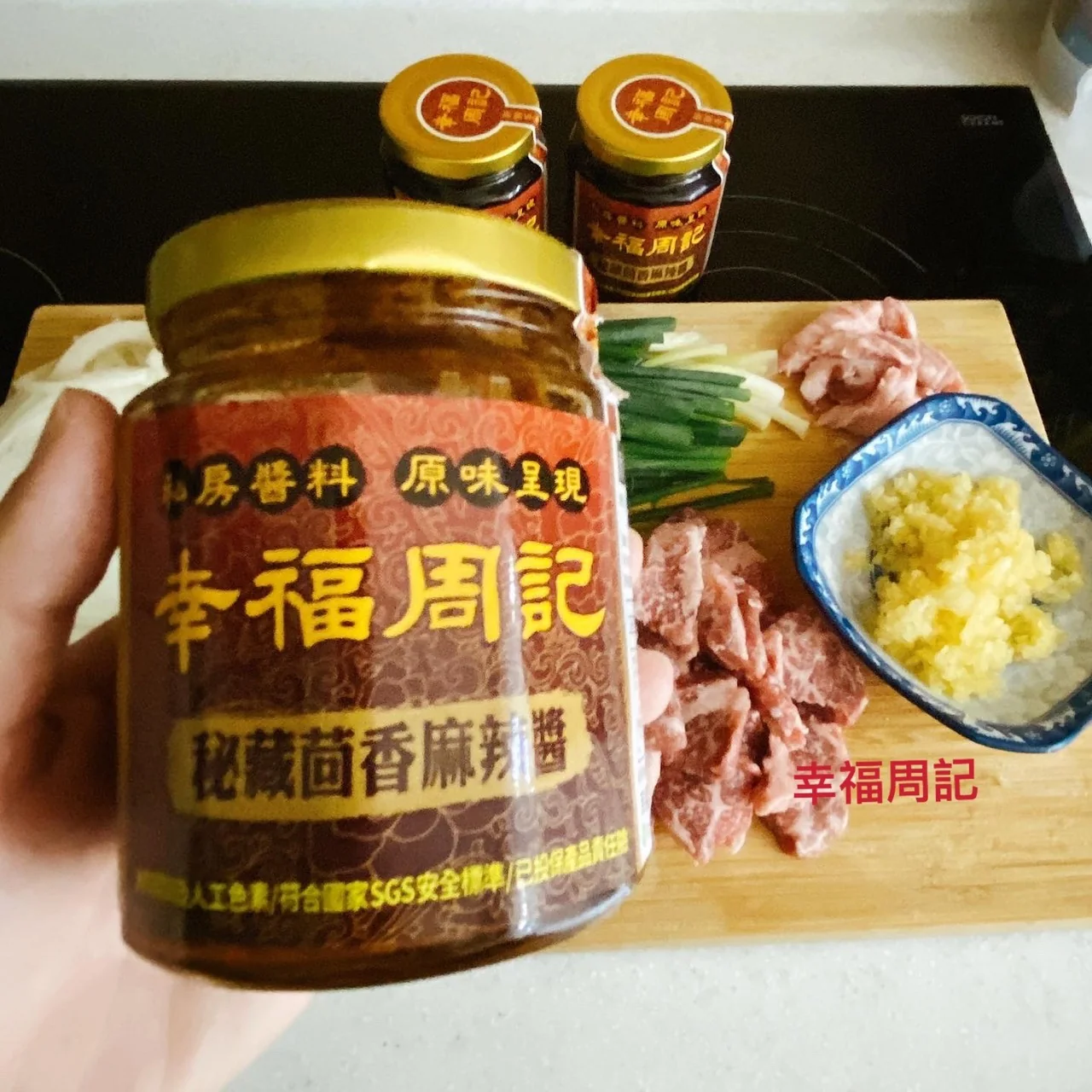
Evaluate Aroma, Numbing Sensation, and Heat Separately
Aroma may come from Sichuan pepper, other spices, chili, and the cooking method. Numbing sensation affects the tongue; heat creates the burning sensation. These do not always rise together, so read how the seller describes the product instead of only looking for “extra hot.”
What Do You Cook Most Often?
| Use | What to look for |
|---|---|
| Mala hot pot / mala tang | Aroma holds up to cooking; strength can be adjusted in stages |
| Tossed noodles / wide noodles | Sauce coats evenly without excessive saltiness |
| Chicken wings / grilling | Clear spice aroma that remains noticeable after heating |
| Stir-fries / poached dishes | Balanced aroma, numbing sensation, and heat that integrates with meat and vegetables |
Watch Saltiness and Oiliness
Mala sauce often brings both seasoning and oil. If you add too much at the start, the final dish may become too salty or oily rather than simply too spicy. Start small and adjust after heating.
The Label Is Still the Baseline
Whether handmade or mass-produced, ingredients, allergens, expiration date, and storage should follow the actual package. For online shopping, confirm product information and storage requirements before buying rather than relying on photos alone.
Related Reading
This article provides general shopping, storage, and cooking information and does not replace the product label, manufacturer instructions, or professional food-safety advice. Brands, formulas, and batches may differ; always follow the actual product for ingredients, allergens, expiration date, and storage.