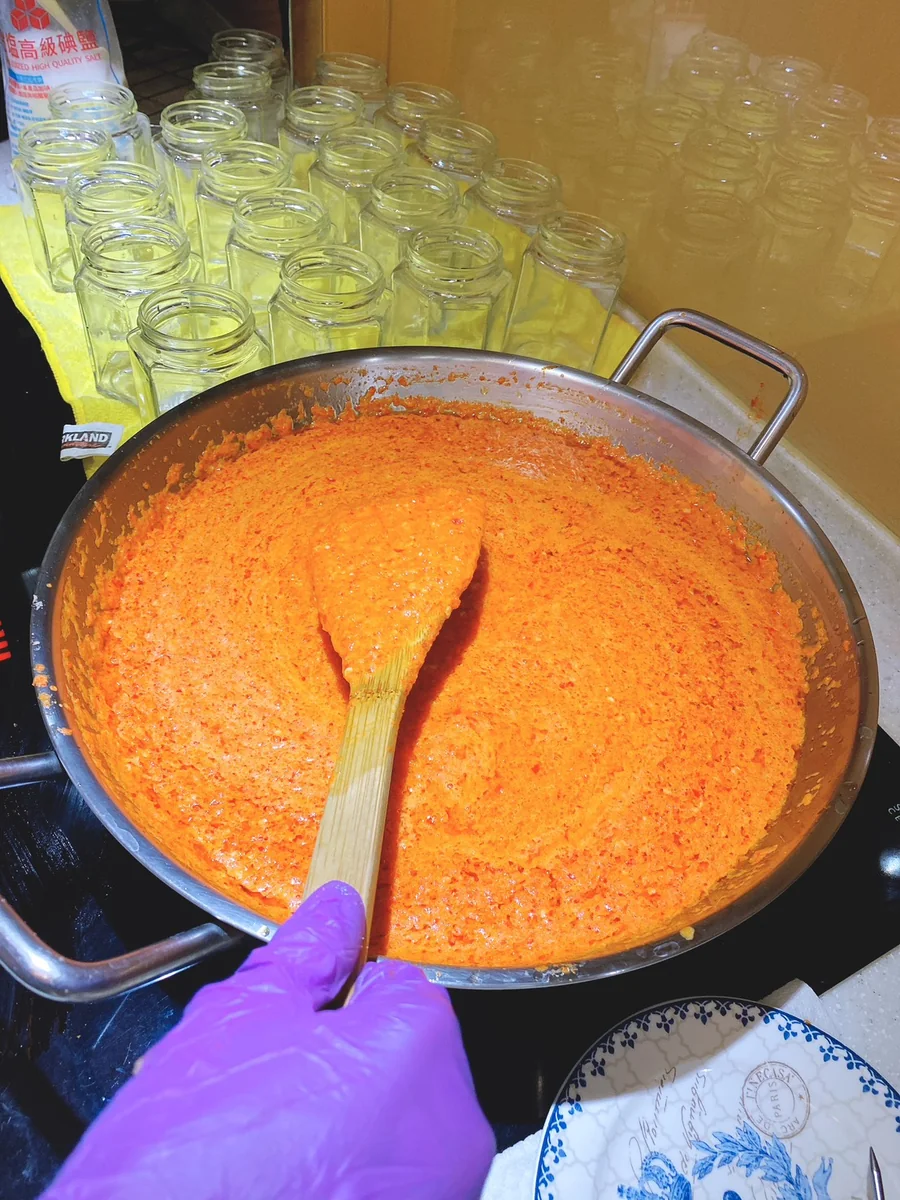
Differences Often Come from Scale and Flavor Design
Small-batch production may make it easier to preserve a brand’s preferred texture, aroma, or cooking style, while larger-scale products often emphasize batch consistency and stable supply. Neither is inherently better; choose by use, price, and flavor preference.
Do Not Read “Handmade” as “Additive-Free”
Whether a product uses food additives or preservatives, and which allergens it contains, should be judged from the formula and actual label—not words such as “handmade,” “traditional,” or “house recipe.” Without evidence, a website should not treat handmade production as a safety or health guarantee.
Texture and Visible Pieces Are Easy Differences to Notice
Some handmade sauces retain pieces of chili, garlic, or spices for more texture, while others are blended smooth. If you like visible ingredients on rice, look at close-up photos and ingredient descriptions. If you want even noodle coating, pay attention to how fluid the sauce is.
Compare Products with the Same Criteria
- Price per 100g or per jar, not just the sticker price
- Ingredients, allergens, net weight, expiration date, and storage
- Whether it fits your usual use: rice, noodles, dipping, or cooking
- Whether the seller provides clear contact and after-sales information
How 幸福周記 Positions Its Sauces
幸福周記 focuses on two handmade sauces for everyday home cooking. The website separates authentic product photos, recipe illustrations, and historical testing information; ingredients, storage, and expiration dates remain subject to the actual bottle label.
Related Reading
This article provides general shopping, storage, and cooking information and does not replace the product label, manufacturer instructions, or professional food-safety advice. Brands, formulas, and batches may differ; always follow the actual product for ingredients, allergens, expiration date, and storage.